
Understanding Media Literacy in the 2024 Election Season: Framing and the Power of News Angles

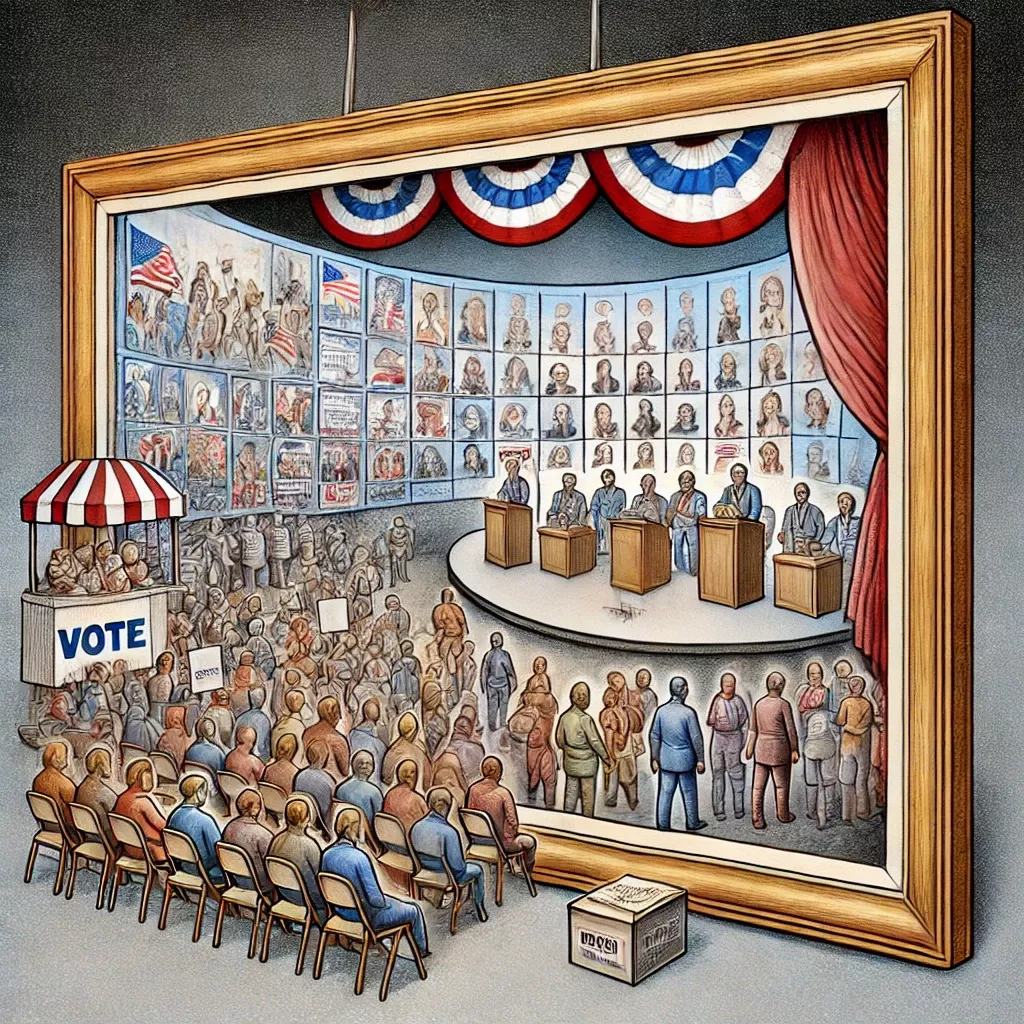
As we dive deeper into the 2024 election season, it’s more important than ever to sharpen our media literacy skills. With news outlets, social media platforms, and political ads bombarding us with information, knowing how to critically evaluate what we’re reading, watching, or hearing is crucial. One of the most powerful tools used by the media to influence public opinion is framing —the way news is presented to shape our perception of events, policies, and candidates.
Let’s explore how media framing works and why it’s so influential during election season.
What is Framing in Media?
Framing refers to the way information is organized and presented. It's the angle a journalist or media outlet chooses to focus on when reporting a story. This choice subtly steers the audience toward a particular understanding of the facts. For example, a report about immigration might emphasize either the economic contributions of immigrants or the potential strain on public services. Both are true, but the chosen frame directs the audience’s attention and shapes their opinion.
During elections, framing becomes a tool used to influence how candidates are perceived. This year’s election, for instance, highlights multiple examples of framing in action:
1. Candidate Characterization: Some media outlets emphasize certain personal traits of a candidate over others. A candidate might be framed as “experienced and reliable,” while another is portrayed as “radical and unpredictable,” even if they hold similar positions on many issues.
2. Policy Framing: The same policy can be framed in starkly different ways depending on the outlet’s angle. For example, coverage of healthcare reform might highlight its benefits for middle-class families or, alternatively, focus on its cost to taxpayers.
Real-Time Examples of Framing in the 2024 Election
1. Economic Issues: In 2024, both inflation and unemployment rates have been widely discussed. However, depending on the news outlet, you might hear these issues framed either as a success or failure of current leadership. For example, a report from a pro-incumbent source might emphasize job growth, while a critical outlet might focus on rising living costs, despite both being elements of the same economic landscape.
2. Alternative Candidates: The rise of independent and Alternative-party candidates is another area where framing plays a major role. Some outlets frame these candidates as refreshing alternatives to the traditional two-party system, focusing on their potential to disrupt politics as usual. Others, however, may frame them as “spoilers” who could split the vote and impact the election outcome negatively.
3. Debates: Even after debates, the media frames performances through their own lens. Headlines like "Candidate A Dominates the Stage" versus "Candidate B Exposes A’s Weaknesses" showcase how a single event is portrayed differently. By choosing which clips to air, what moments to highlight, or who to declare the “winner,” the media subtly influences public perception.
Why Media Literacy Matters Now More Than Ever
Understanding how framing works is essential for navigating the flood of information during elections. If we aren’t conscious of the ways stories are framed, we might unwittingly adopt the viewpoints presented to us. Here’s how you can improve your media literacy:
Diversify Your News Sources: Don’t rely on a single outlet for your news. Look at multiple sources, including those with differing perspectives, to see how the same story is framed.
Question the Angle: Ask yourself what part of the story is being highlighted and why. What’s missing from the coverage? What alternative perspectives could have been presented?
Analyze Headlines and Word Choices: The language used in headlines and articles can evoke different emotional responses. Words like “claims” versus “states” or “slams” versus “criticizes” offer clues about the frame.
Separate Facts from Opinion: Watch for when a journalist moves from reporting facts to providing analysis or commentary. Be mindful that these opinions often guide how you interpret the facts.
In this election season, media framing plays an undeniable role in shaping public opinion. By becoming more media literate, you can better navigate the information landscape, making more informed decisions about the candidates and issues that matter most to you. Developing these skills doesn’t just make you a smarter voter—it empowers you to see through the biases and narratives designed to sway your views.
As the race heats up, now is the perfect time to apply these tools and become a more critical consumer of media.